In this article
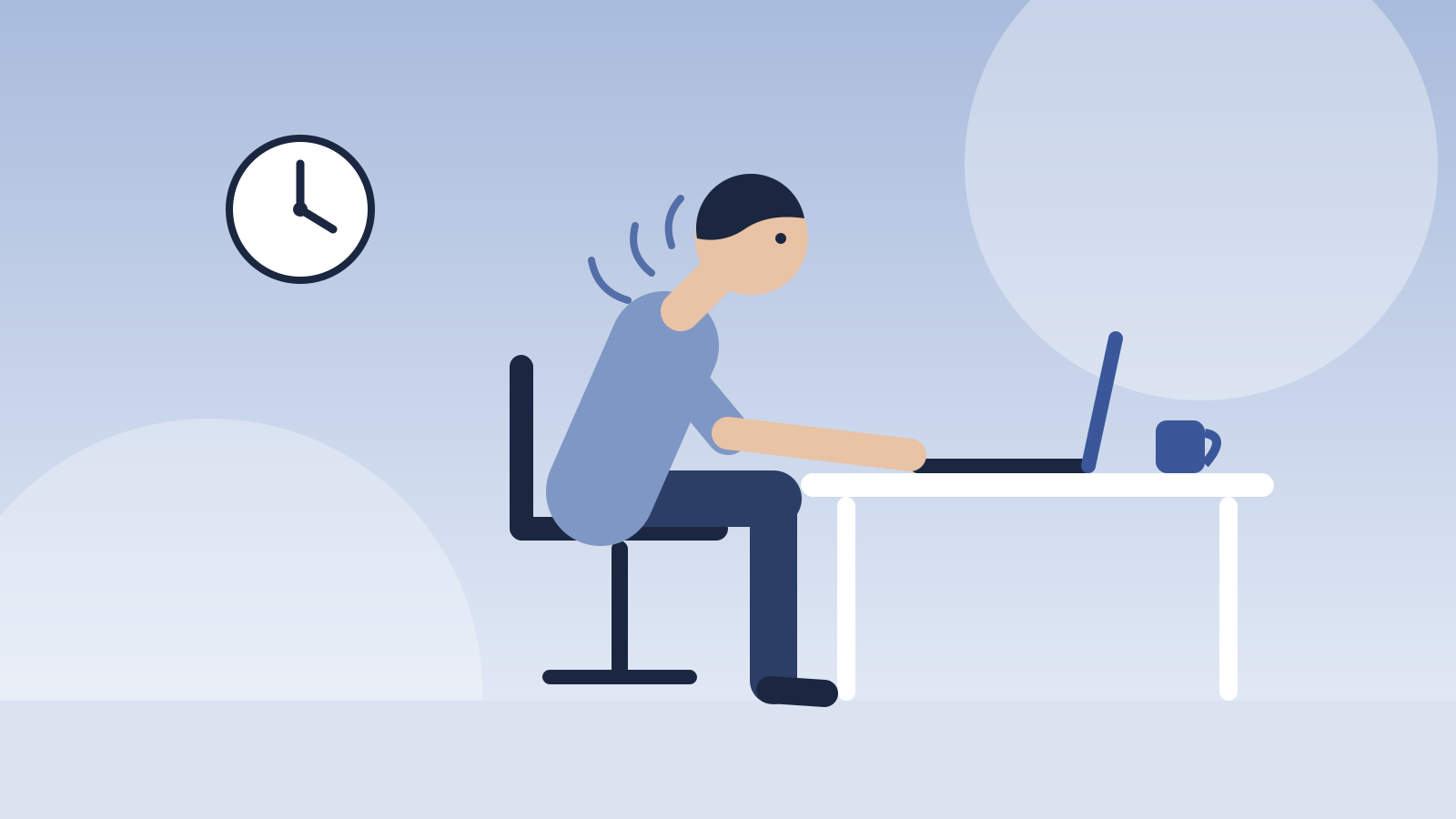
Sat all day and your back feels stiff and sore when you stand up? This article explains the back pain office workers often get, and three simple moves.
Why does my back hurt?
Most low back pain can't be traced to a single, clear structural problem. Guidelines call this "non-specific low back pain".
Staying in one sitting position for a long time can leave your back feeling stiff and tired.
With back pain, moving a bit usually beats resting in bed.
Research comparing advice to rest in bed with advice to stay active found that people with acute low back pain who stayed active had slightly better pain and function.
Guidelines also say most back pain doesn't need an X-ray or MRI straight away; a doctor will arrange one if something serious is suspected.
Three simple moves
Choose moves that feel comfortable and that you can keep doing, without making the pain clearly worse. The numbers below are a starting point.
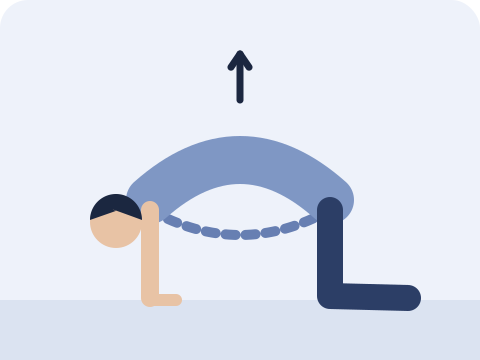
Cat-cow
On your hands and knees, slowly round your back up towards the ceiling, then slowly let it relax down.
Slowly | 10 times
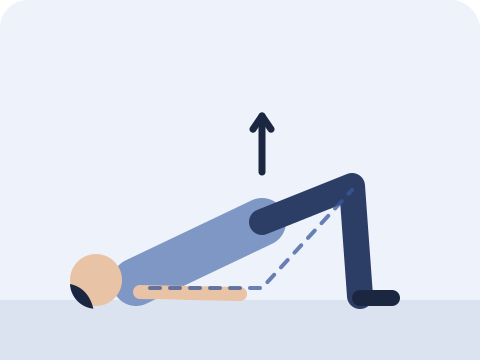
Bridge
Lie on your back with your knees bent and feet flat. Slowly lift your hips, then slowly lower them.
Hold 2 seconds | 10 times
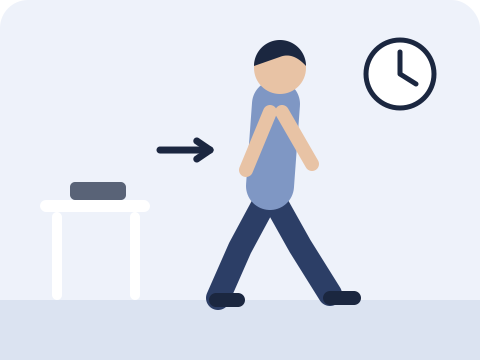
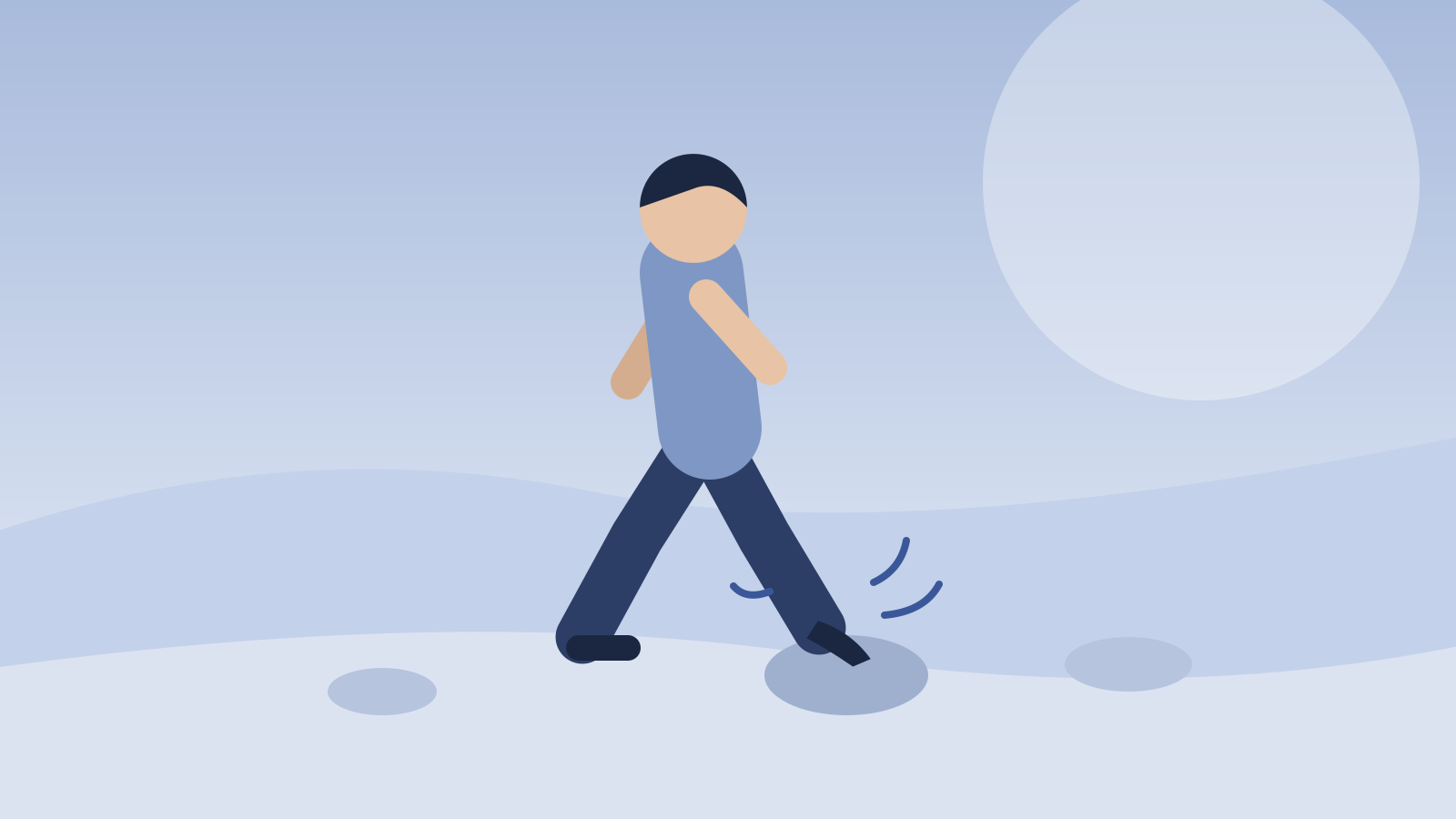
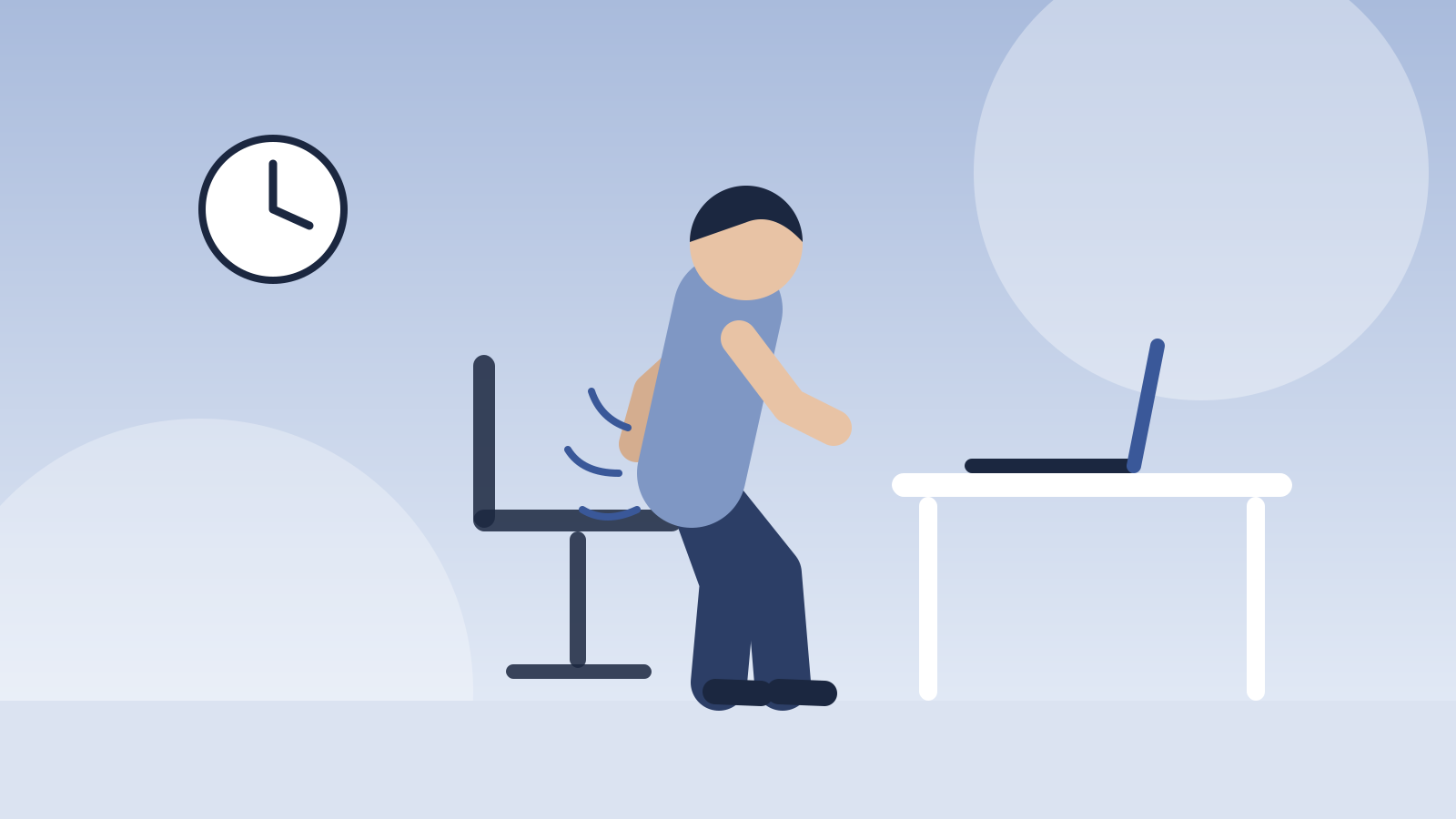
Get up and walk
Every so often, stand up and walk, for example to get water or go to the bathroom. This is a practical tip, not a time proven by research.
About every 30 minutes
While you do them
- Move slowly, within a comfortable range.
- If the pain clearly gets worse while you do a move, stop.
- Keep up your daily activities as much as you can, building up gradually.
When should I get help straight away?
- Loss of bladder or bowel control, or difficulty passing urine
- Numbness around the groin or inner thighs
- Weakness in both legs, or numbness that keeps getting worse
- Fever, or back pain after a serious injury such as a fall from height
- Weight loss you can't explain
If it hasn't improved after four weeks, or the back pain comes with leg pain or numbness, please also see a doctor or physiotherapist.
Common questions
Should I rest in bed with back pain?
Long bed rest generally isn't recommended. Research found that people with acute low back pain who stayed active had slightly better pain and function. Adjust your activity to your pain.
Do I need an X-ray or MRI for back pain?
Usually not straight away. Guidelines recommend scans only when something serious is suspected, and a doctor decides based on your situation.
Which exercise is best for back pain?
Guidelines recommend exercise therapy for ongoing back pain. The right exercise varies from person to person, and a physiotherapist can suggest what suits you.
References
- Foster NE, et al. Prevention and treatment of low back pain: evidence, challenges, and promising directions. Lancet 2018;391(10137):2368–2383. PubMed
- Oliveira CB, et al. Clinical practice guidelines for the management of non-specific low back pain in primary care: an updated overview. Eur Spine J 2018;27(11):2791–2803. PubMed
- Dahm KT, et al. Advice to rest in bed versus advice to stay active for acute low-back pain and sciatica. Cochrane Database Syst Rev 2010;(6):CD007612. PubMed

Anson Ko 高浩維
Registered Physiotherapist, seeing patients at Amazing Medical, Tsim Sha Tsui.About me
This article is for general reference only and does not replace professional diagnosis or treatment. If symptoms persist or warning signs appear, please see a doctor or physiotherapist.